India's manufacturing opportunity is no longer a linear story. It spans policy-backed scale-up, industrial corridors, electronics and semiconductors, automotive and batteries, advanced materials, export manufacturing and deeper localisation. For global companies, the challenge is articulating the transformation story aligned to their digital growth initiatives.
At the core of any manufacturing business is an automated supply chain ecosystem and their success depends on the level of automation that they have built with technology at its backbone. We bring the domain expertise for each sub sector under the broader manufacturing landscape and help design your technology roadmap that aligns well with the customers transformation journey at the core. Your technology offerings to manufacturing buyers have to be customised for each process with clear outcomes.Our team helps you build those success frameworks.
By March 2026, Production Linked Incentive schemes across 14 strategic sectors had attracted more than $30 billion of actual investment and supported over $190 billion of cumulative exports. The result is a broader manufacturing base spanning electronics, pharmaceuticals, automobiles, batteries, solar, steel, telecom, food, textiles and white goods.

BHAVYA will develop 100 investment-ready industrial parks between 2026–27 and 2031–32 with an outlay of about $4.2 billion. Combined with industrial corridors and smart-city nodes, this is expanding the choice of manufacturing locations with integrated utilities, multimodal connectivity and faster set-up pathways.

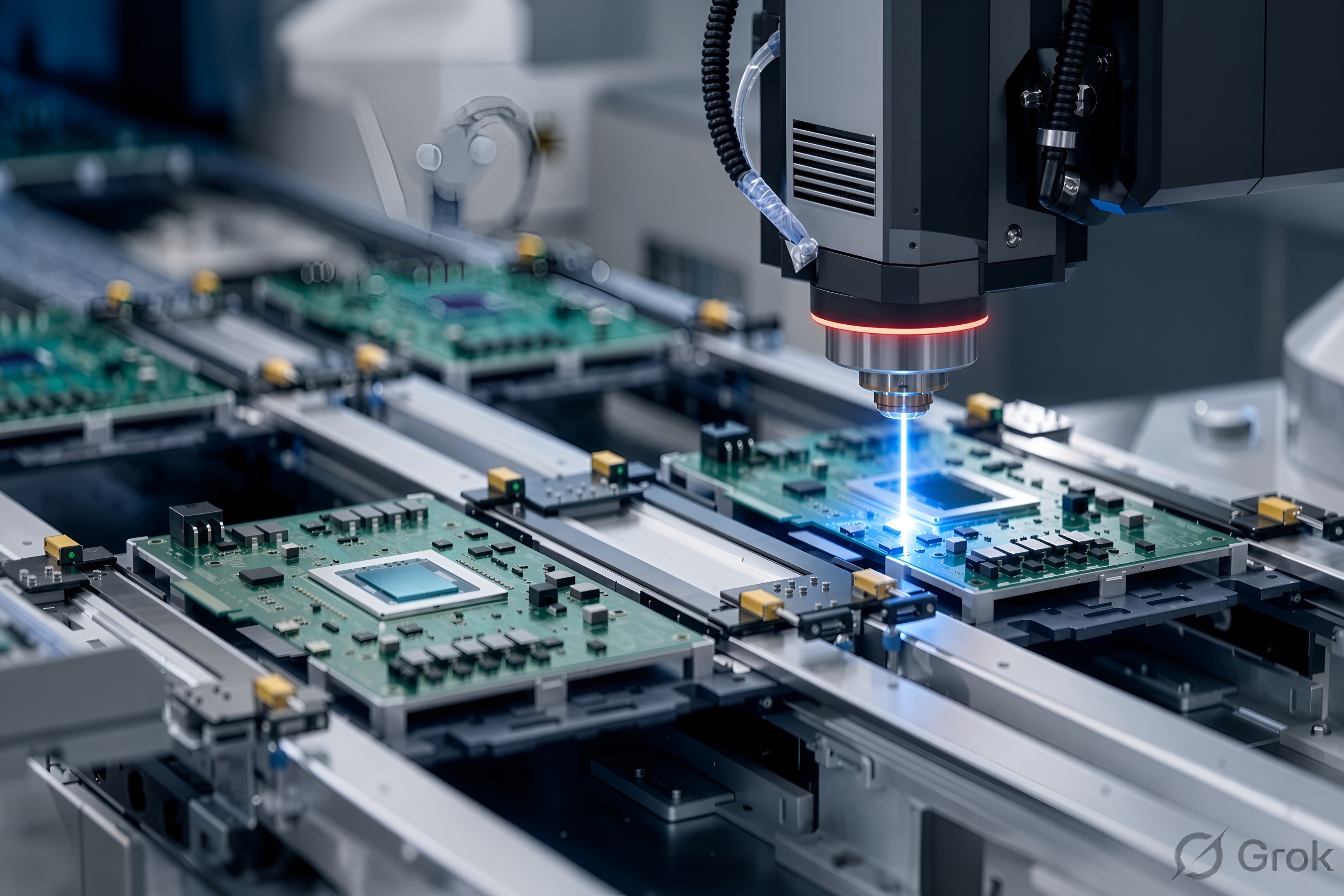
India has moved from electronics assembly toward components, capital equipment and semiconductor manufacturing. Twelve semiconductor manufacturing projects with more than $20.5 billion of committed investment have been approved, creating new entry points across fabs, packaging, materials, gases, equipment and industrial electronics.
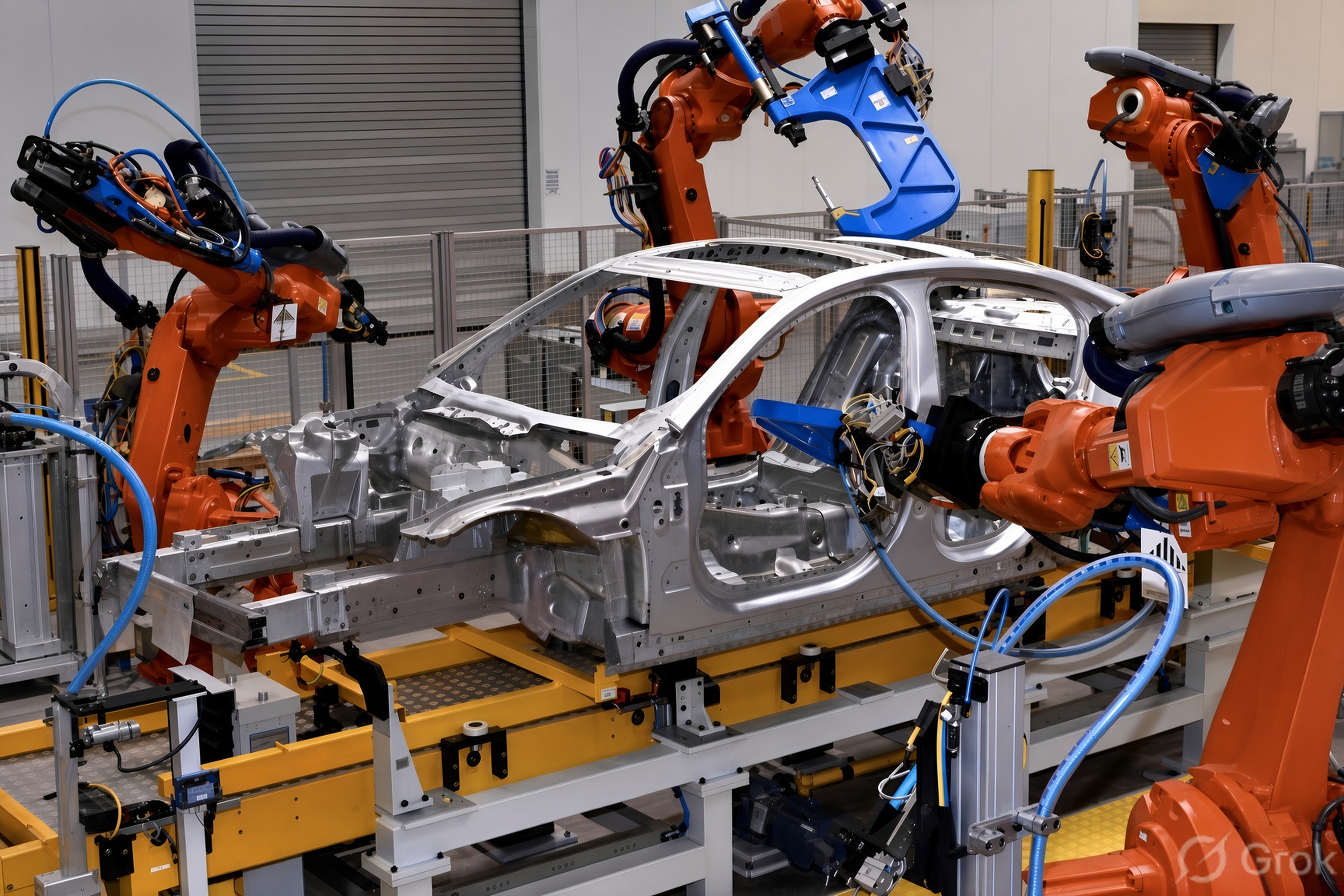
The automobile and auto-component PLI had attracted $5.5 billion of investment by March 2026, while the ACC battery programme is building domestic cell capacity. Global suppliers can participate through advanced components, power electronics, thermal systems, battery materials, testing, tooling and localisation partnerships.
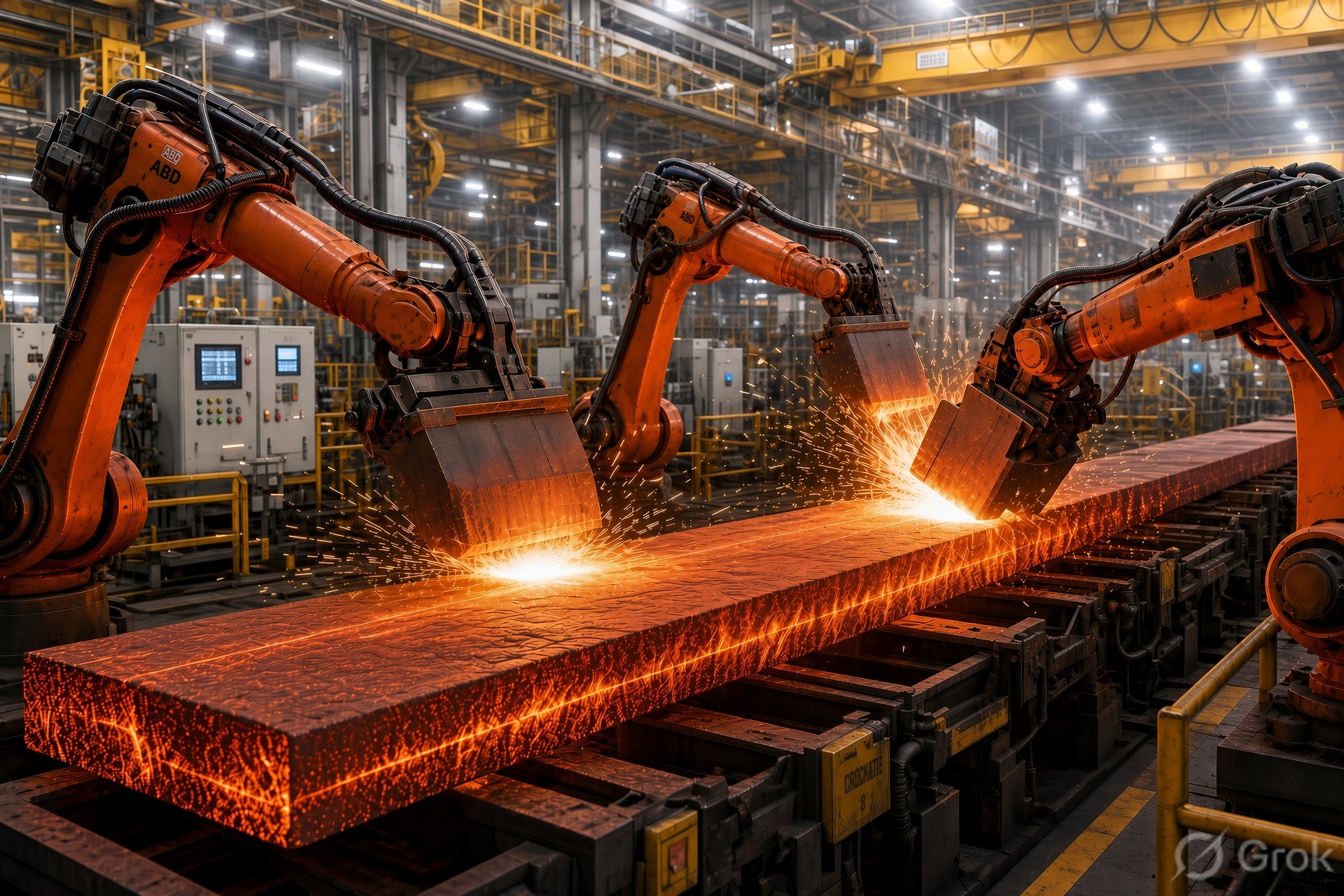
Large investments are moving into solar PV, specialty steel, pharmaceuticals, white goods, telecom equipment and other component-heavy sectors. The commercial opportunity increasingly sits below the final product — in subassemblies, precision engineering, tooling, testing, industrial materials and Tier-2/Tier-3 supplier development.
The winning model is rarely a single market-entry decision. It is a sequence: prioritise the right manufacturing cluster, identify customers and anchor partners, build an India-compliant operating model, localise the supply base and convert stakeholder relationships into a qualified commercial pipeline.

Whether you're entering India, localising production, building partnerships or scaling an existing manufacturing footprint, we can help you move faster with clarity.

